

The concept of a “guild” stretches back to medieval Europe, where skilled practitioners of a craft organized themselves to uphold standards, ensure training, and protect the public they served. Stone masons, scribes, merchants, and artisans each maintained their own guilds—communities built on shared knowledge, mutual accountability, and a deep sense of professional pride.
Notaries, long trusted as scribes and record-keepers, often worked within or alongside these early guild systems. Their seals carried authority, and their work shaped lives, property, and history itself. Though the centuries have transformed nearly everything about the world, the need for such trusted intermediaries remains as urgent now as it was then.
Notaries in the American Story
When the United States was founded, notaries were woven into the civic fabric from the start. Every colony and early state appointed notaries to protect commerce, validate signatures, and maintain order in a rapidly growing nation. But unlike countries that developed centralized national notarial systems—France, Italy, Spain, and many others—the U.S. built a decentralized model. Each state set its own rules, its own training requirements, and its own expectations.
The result? A profession vital to nearly every aspect of public and private life… but with wildly inconsistent standards, limited education in many states, and little national cohesion.
The Modern Challenge


HISTORY & PURPOSE
For more than two thousand years, notaries have stood as guardians of trust—quiet professionals whose signatures anchor deals, safeguard property, settle disputes, and preserve personal and public rights. Empires have risen, governments have fallen, and technologies have changed beyond imagination, but the role of the notary has endured with remarkable consistency: verify identity, witness intent, and protect the integrity of the written word.
A Guild Born of an Ancient Tradition
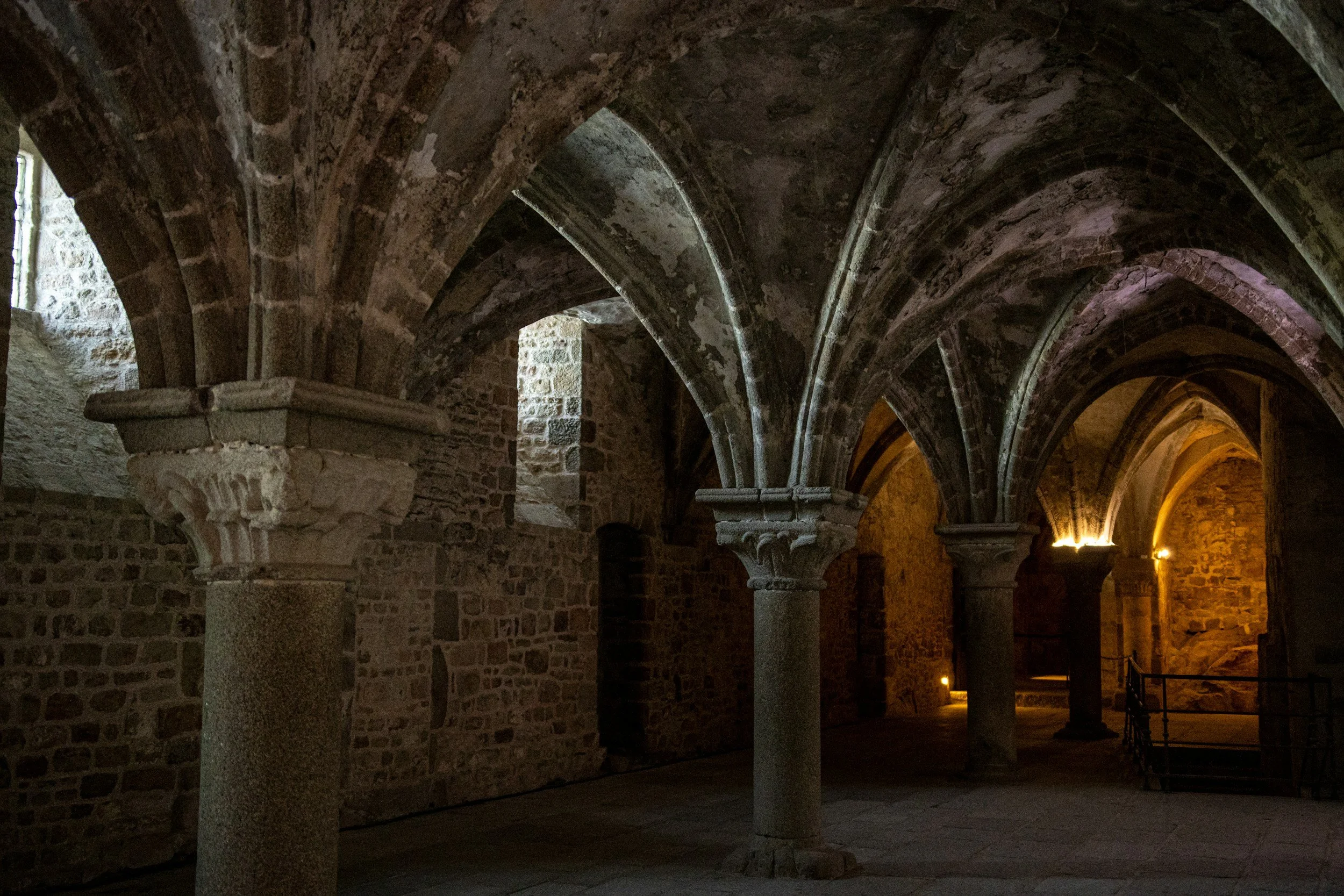
Today, notaries find themselves facing threats and pressures that earlier generations never imagined:
A rapid rise in fraud—identity theft, deed theft, elder financial abuse, and forged documents—often exploiting gaps in notary training or enforcement.
Uneven or insufficient education across states, leaving many notaries unprepared for the legal and ethical responsibilities of their role.
Little attention from policymakers, who frequently underestimate the impact of properly notarized documents (until something goes wrong).
A booming independent notary sector, driven by online notarization, remote work, entrepreneurship, and specialized industries demanding higher expertise.
A public increasingly confused about what notaries do—and what they should be able to expect from them.
The profession is evolving. The risks are evolving. But the standards? Too often, they are not.
Until now…
Enter the American Guild of Notaries Public
Amid this environment, the American Guild of Notaries Public (AGNP) was formed—not out of tradition alone, but out of necessity.
Founded in 2025, AGNP is new in years but ancient in purpose:
to restore honor, competence, consistency, and professional identity to one of America’s most overlooked yet essential roles.
The Guild exists to:
Elevate the profession through rigorous, nationally relevant standards.
Provide meaningful credentialing that signals excellence to employers, clients, and the public.
Advocate for better education, consistent training, and stronger oversight.
Support notaries as professionals, not just commission holders.
Serve as a collaborative voice with states, businesses, and national organizations committed to reducing fraud and strengthening public protection.
AGNP’s credentialing tiers—Initiate, Apprentice, Expert, and Master— reflect a return to the guild tradition: a progression built on knowledge, skill, experience, ethics, and service.
Where Tradition Meets the Future
As technology evolves, as fraud becomes more sophisticated, and as the public increasingly depends on notaries in ways both visible and invisible, the need for a unified professional community has never been greater.
AGNP is here to fill that void—not as a regulator, but as a standard-bearer.
Not as a replacement for state authority, but as a partner and catalyst for change.
Not as another membership organization, but as a guild in the truest sense:
A place where excellence is cultivated, where notaries support one another, and where the profession advances together.
Our Purpose Is Simple
To guard the public.
To elevate the profession.
To ensure that American notaries—trusted for centuries—remain trusted for generations to come.
Welcome to the Renaissance. Welcome to the Guild.